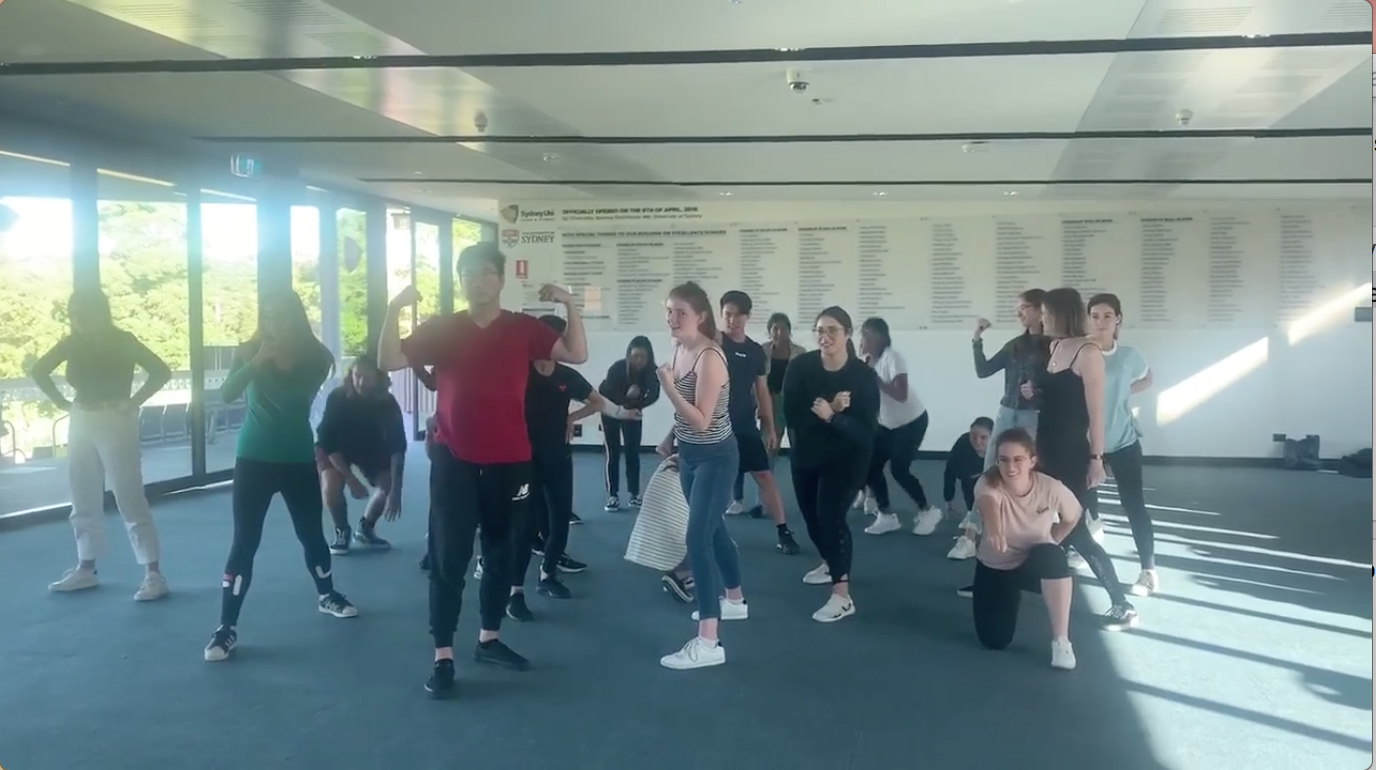
- Musical Theatre creates and opportunity to combine dance, singing, and drama.
- Not only is musical theatre enjoyable, but it is also an excellent form of physical activity. Furthermore, musical theatre is a tool to confidence (Speert, n.d.).
- Musical theatre provides several authentic links
to other Key Learning Areas:
- History: Some musicals can be used to explore the past such as “Oliver!”, “Grease” and “Hairspray”.
- English: Musical Theatre lyrics includes elements such as themes, hyperbole, (Gibson and Ewing, 2011) simile, rhyme, story structure and verbs.
- PDHPE: Musical theatre provides opportunity to meet a range of PDHPE objectives, including “demonstrate an understanding of movement skills, concepts and strategies to respond confidently, competently and creatively in a variety of physical activity contexts” (NSW Education Standards Authority, 2018, p. 13).
Gibson, R., & Ewing, R. (2011). Transforming the curriculum through the arts (1st ed.). South Yarra, Vic: Palgrave Macmillan.
NSW Education Standards Authority. (2018). Personal Development, Health and Physical Education K-10 Syllabus. Retrieved from https://educationstandards.nsw.edu.au/wps/portal/nesa/k-10/learning-areas/pdhpe/pdhpe-k-10-2018
Speert, E. (n.d.) Benefits of Musical Theatre: Education. Retrieved from https://tamswitmark.com/blog_items/benefits-of-musical-theatre-education/
 EDUP3008 Creative Arts 3